Industry:
Tech (B2B services & E-commerce)
Markets: Pakistan & Saudi Arabia
Platforms: 3 unique domains
How strategic SEO drove organic growth across B2B and e-commerce markets in Pakistan and Saudi Arabia
I want to be clear about something before we start.
This isn’t a case study about a brand that already had traffic.
It’s not about a site sitting at 5,000 visitors that “just needed optimization.”
When Techtrix came to us, they weren’t losing at SEO.
They simply weren’t playing the game at all.
No rankings.
No meaningful traffic.
No organic sales pipeline.
Yet today, all three domains are ranking, converting, and pulling in qualified organic demand across B2B services and e-commerce, in two different countries, with three completely different buyer intents.
Let me walk you through exactly how that happened.
One Brand. Three Websites. Zero Discoverability.
Techtrix wasn’t one website. It was three:
- A B2B IT services company in Pakistan
- An e-commerce tech store with 2,000+ products
- A new B2B IT presence in Saudi Arabia
Most agencies would’ve tried to force one SEO framework across all three.
We didn’t.
Because Google doesn’t rank brands.
It ranks clarity.
And there was none.
What We Found When We Looked Under the Hood (Before SEO)
Before touching a single page. Here’s what the reality looked like when we audited all three domains:
At the start:
- No real keyword architecture
- No internal linking logic
- No entity signals
- No topical authority
- No localized trust for KSA
- No product visibility for e-commerce
- No clusters.
- No intent mapping.
- No crawl strategy.
In plain terms:
Google couldn’t tell who Techtrix was, what each site represented, or who it was for.
And that’s the worst place to be.
The SEO Mistake Most Multi-Domain Brands Make
Here’s where most companies go wrong:
They try to run one SEO strategy across multiple domains.
That never works.
So instead of “optimizing content,” We rebuilt the entire search architecture around how Google actually evaluates websites today, through entities, intent, and behavioral signals.
Our Philosophy Going In
We don’t “optimize pages.”
We design search ecosystems.
Each domain needed its own purpose, its own authority lane, and its own conversion logic, while still supporting the same parent brand.
So we built three strategies, not one.
Three Domains. Three Strategies. One Objective.
Domain 1: Turning an Invisible Store Into a Discoverable E-Commerce Asset
The e-commerce site didn’t need more products.
It needed buyers to find the right ones.
So we rebuilt the store around commercial intent:
- Category pages aligned with how people actually search
- Product pages rewritten using a scalable SEO framework
- Structured data added for richer SERP visibility
- Clear targeting of transactional queries like:
- Best WiFi Router in Pakistan
- TP-Link Authorized Distributor Pakistan
Then we layered in supporting content, not for “traffic,” but to reduce friction before purchase through comparisons, troubleshooting, and buyer education.
That’s how product SEO compounds.
Domain 2: Making B2B Services in Pakistan Search-Ready
For the Pakistani B2B site, traffic alone meant nothing.
Leads mattered.
So every service page was rebuilt around:
- Buyer intent
- Local relevance
- Clear conversion paths
Instead of generic IT pages, we focused on searches like:
- IT Solutions Pakistan
- B2B IT Services Karachi
No keyword stuffing.
No filler content.
Just pages designed to answer exactly what decision-makers are looking for.
Domain 3: Entering Saudi Arabia Without Borrowed Authority
Saudi Arabia was the hardest market.
New domain.
No trust.
No history.
So instead of chasing volume, we focused on credibility:
- Localized service pages
- Saudi-specific language signals
- Regionally aligned schema
- Clean crawl and indexation paths
- Internal linking built to reinforce relevance
The goal wasn’t “traffic.”
It was being accepted into Google KSA’s results.
That’s a different game entirely.
What Happened Next (First 90 Days)
We didn’t run ads.
We didn’t buy links.
We didn’t inflate numbers.
Everything that happened came from organic search alignment.
Within three months:
- The e-commerce store crossed 790+ monthly sessions and continued climbing
- The Pakistan B2B site began generating consistent form leads
- The Saudi domain started appearing for high-intent service queries
- Over 65–70% of conversions were coming from organic traffic
- Bounce rates dropped across all three domains
That last part matters.
Because Google doesn’t reward traffic,
it rewards behavior.
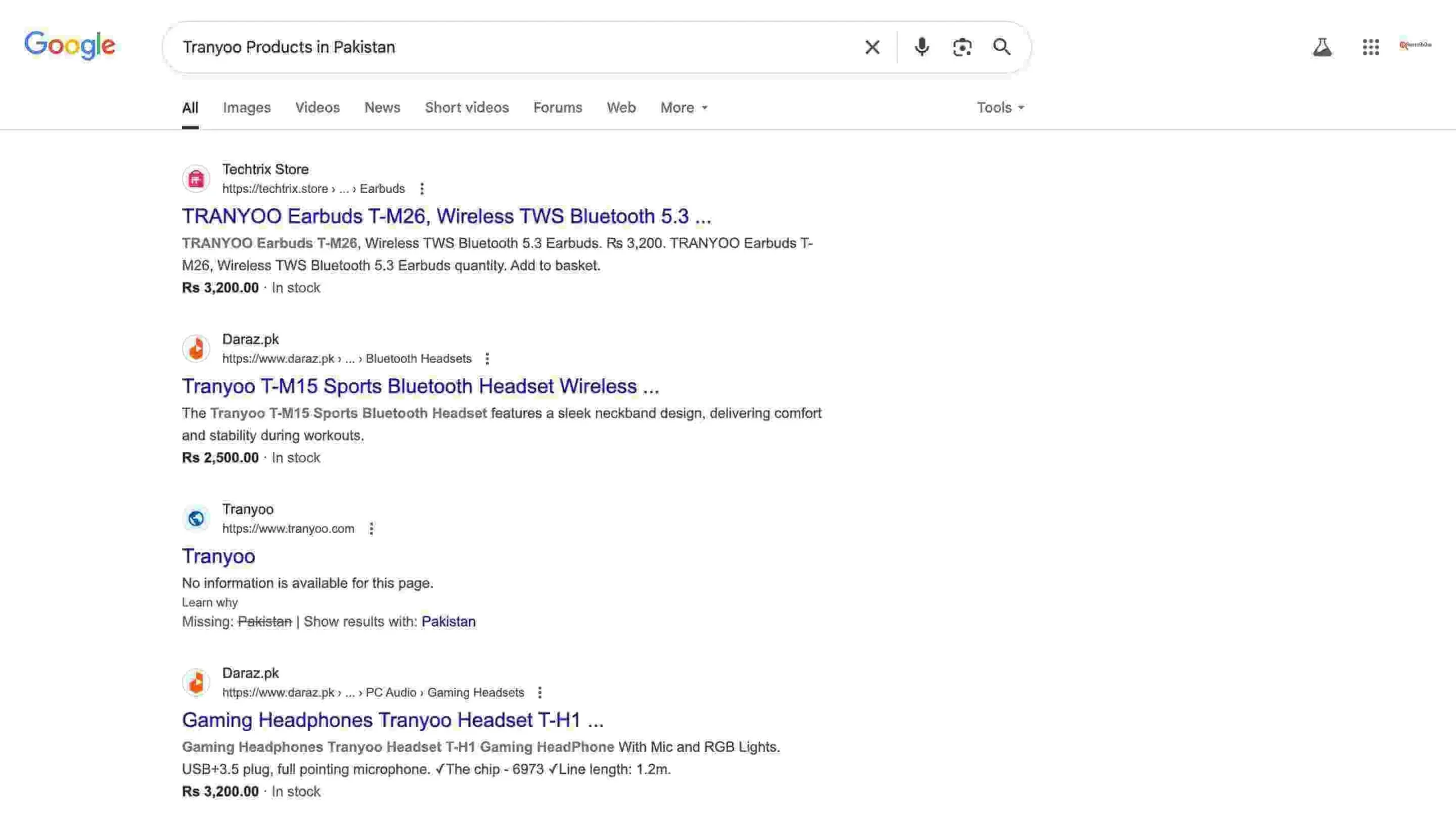
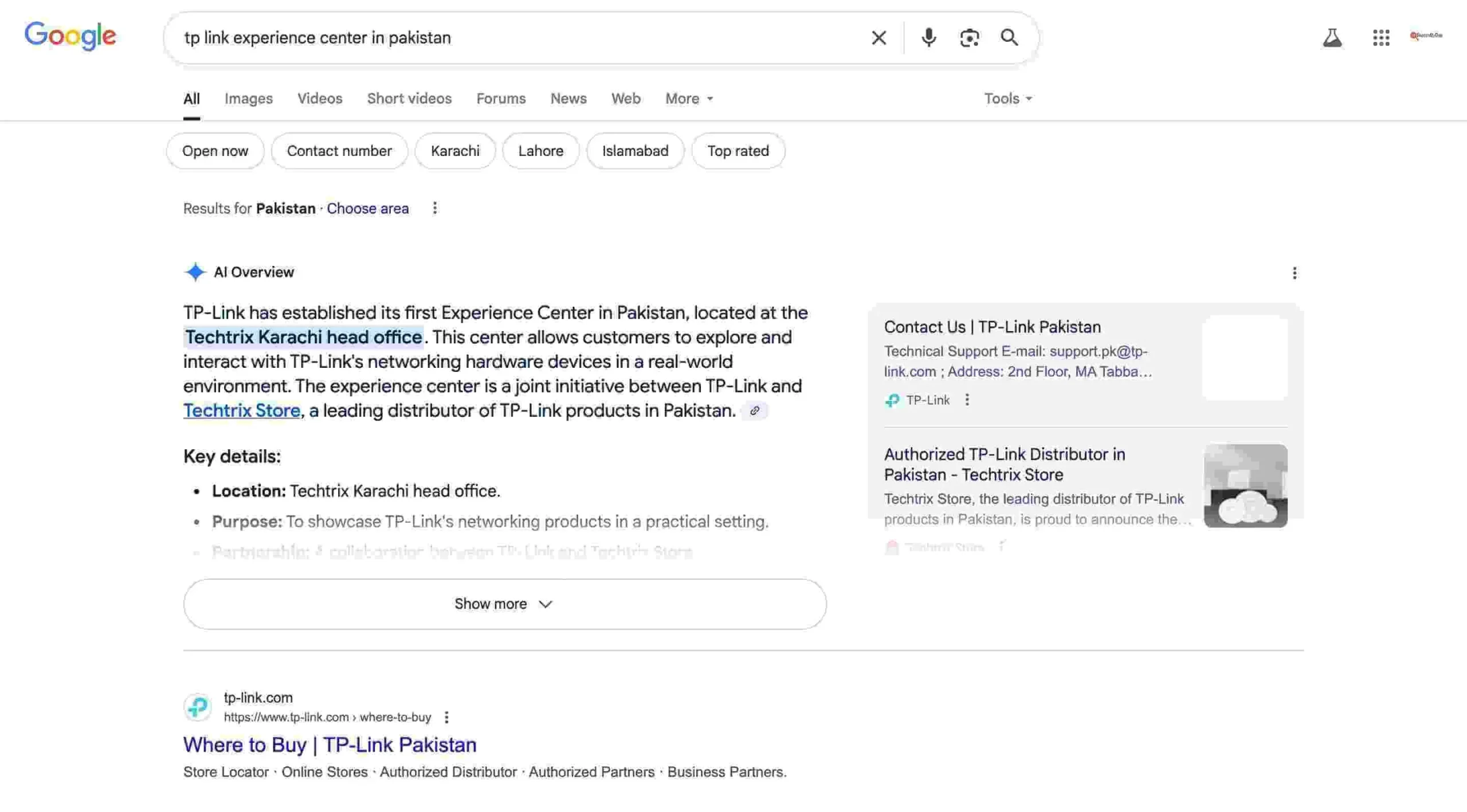
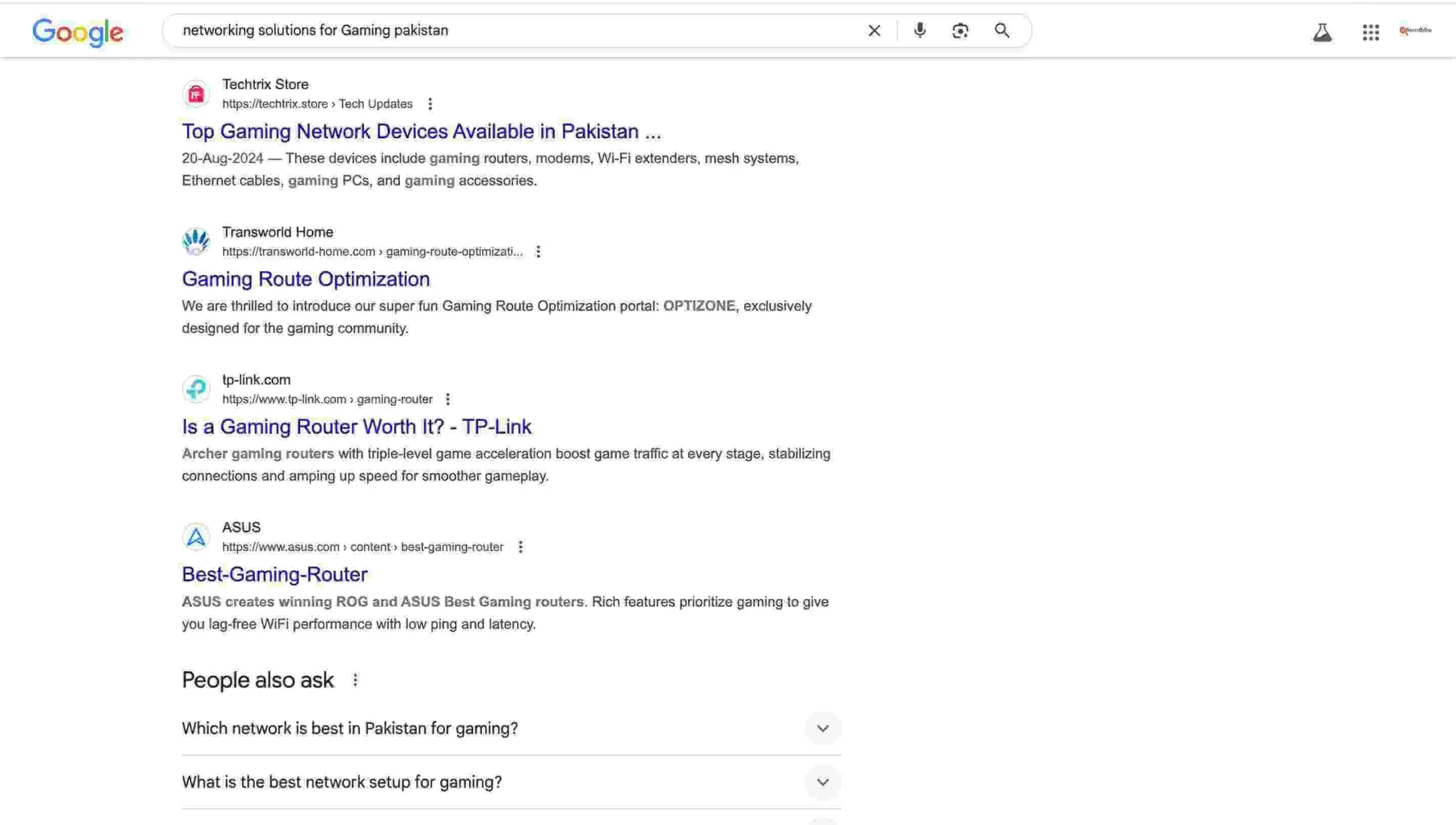
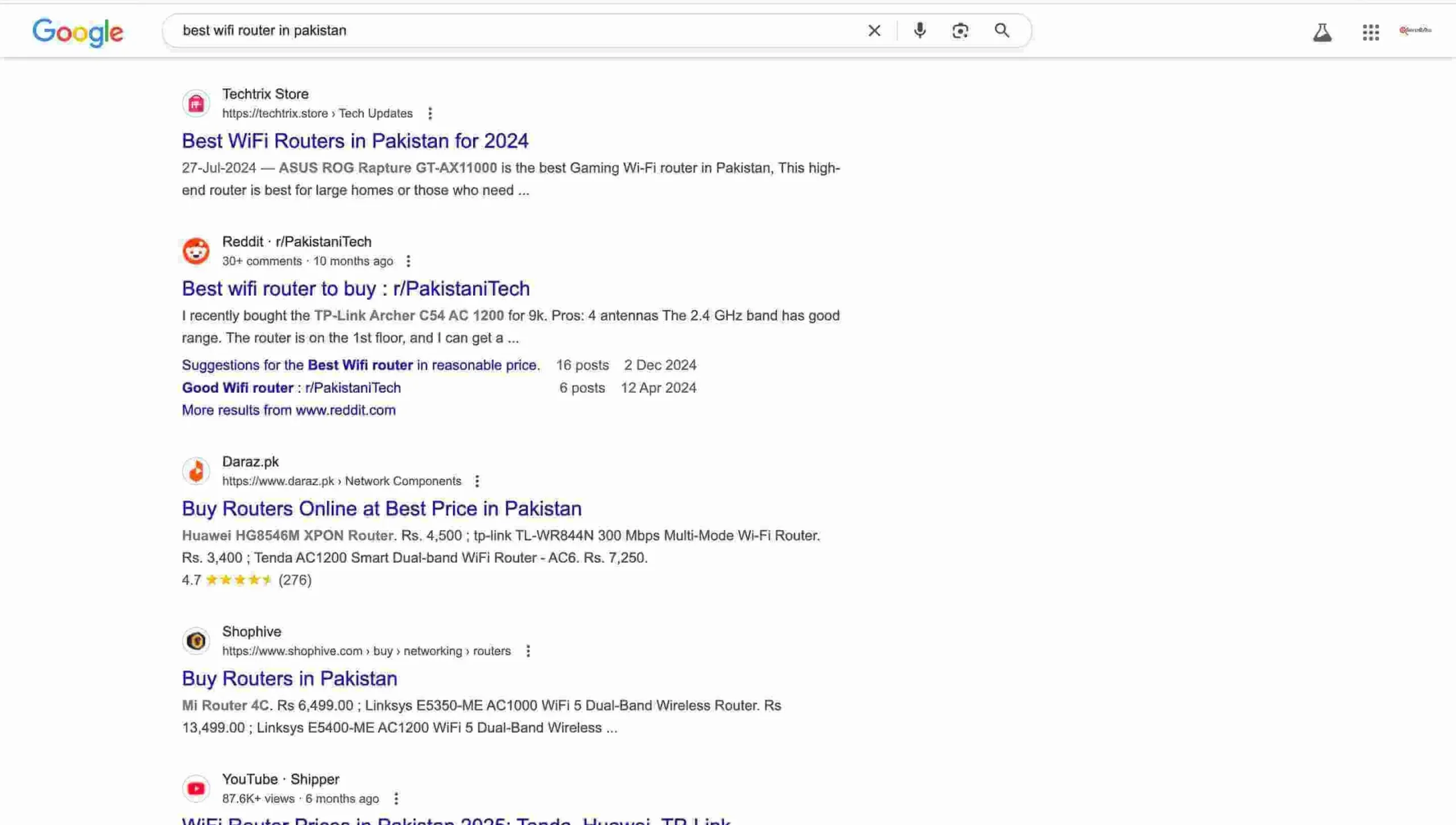
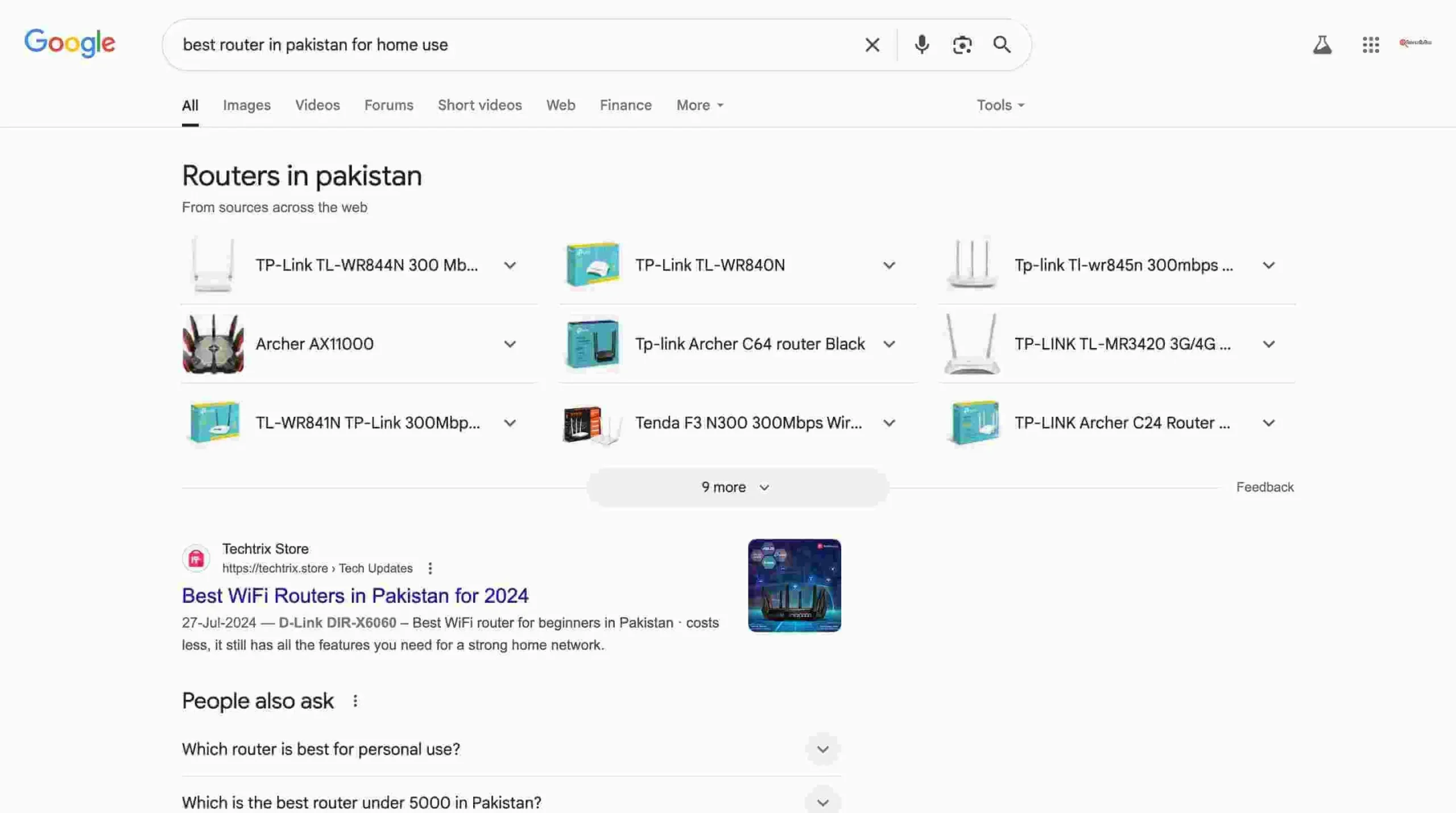
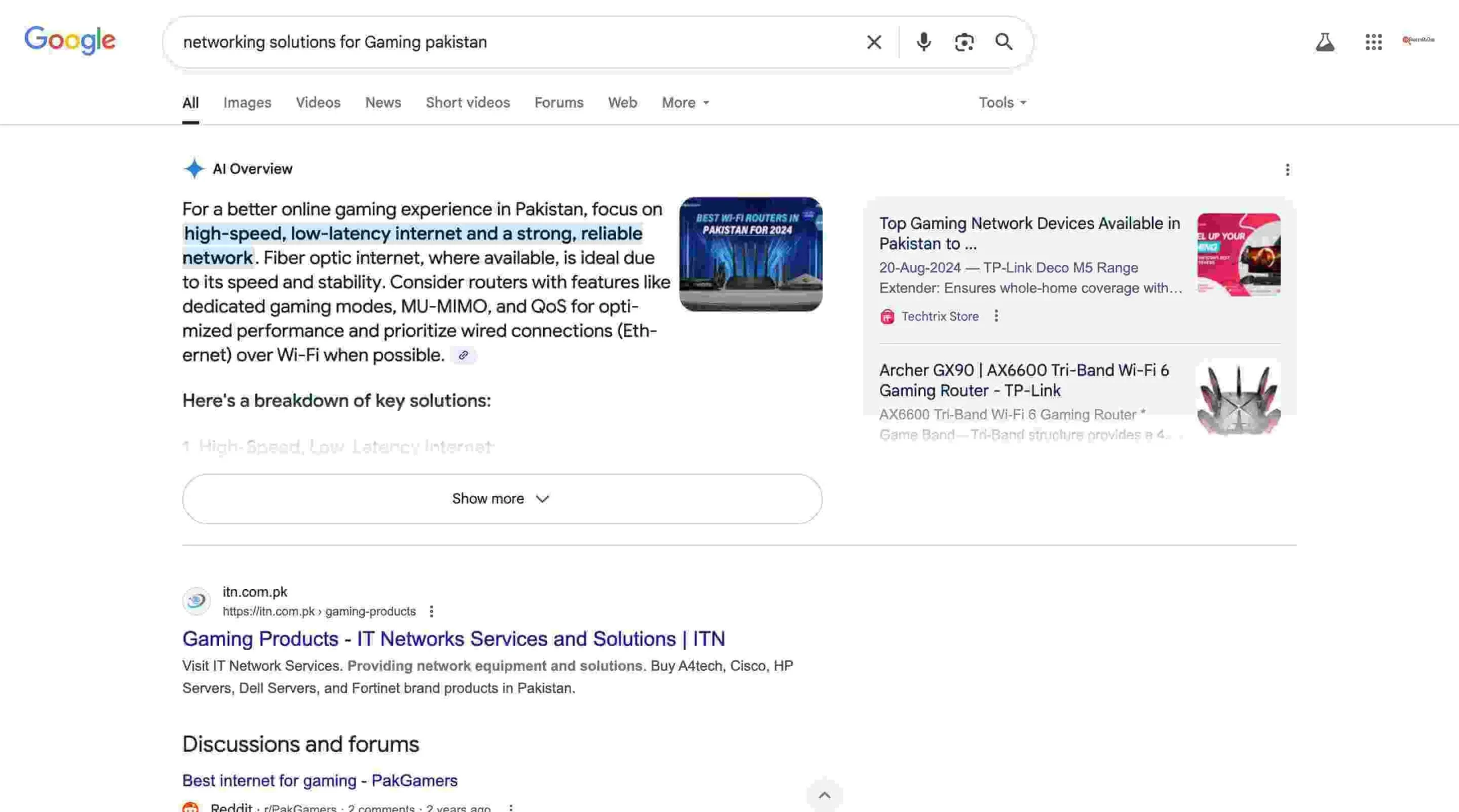
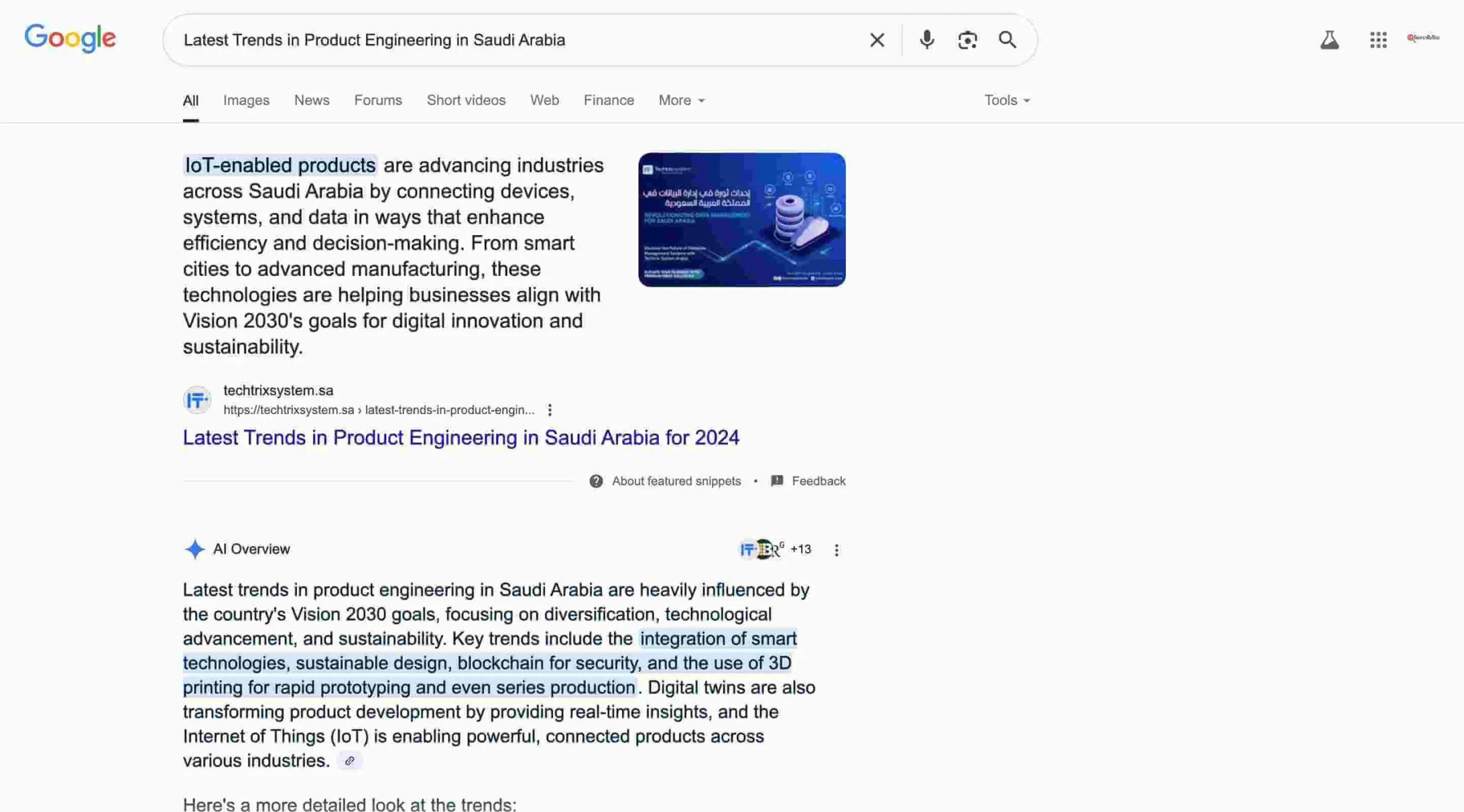
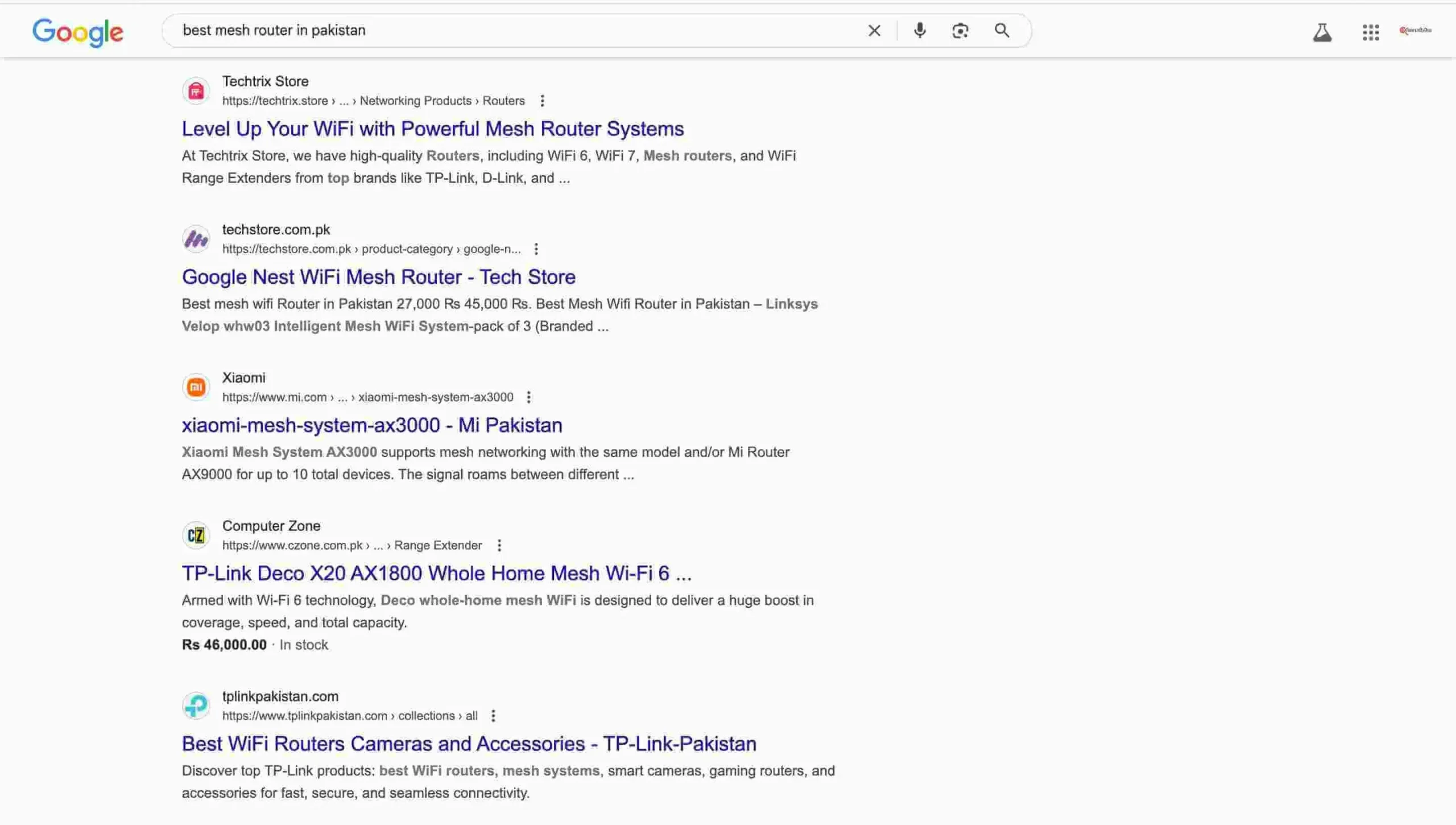
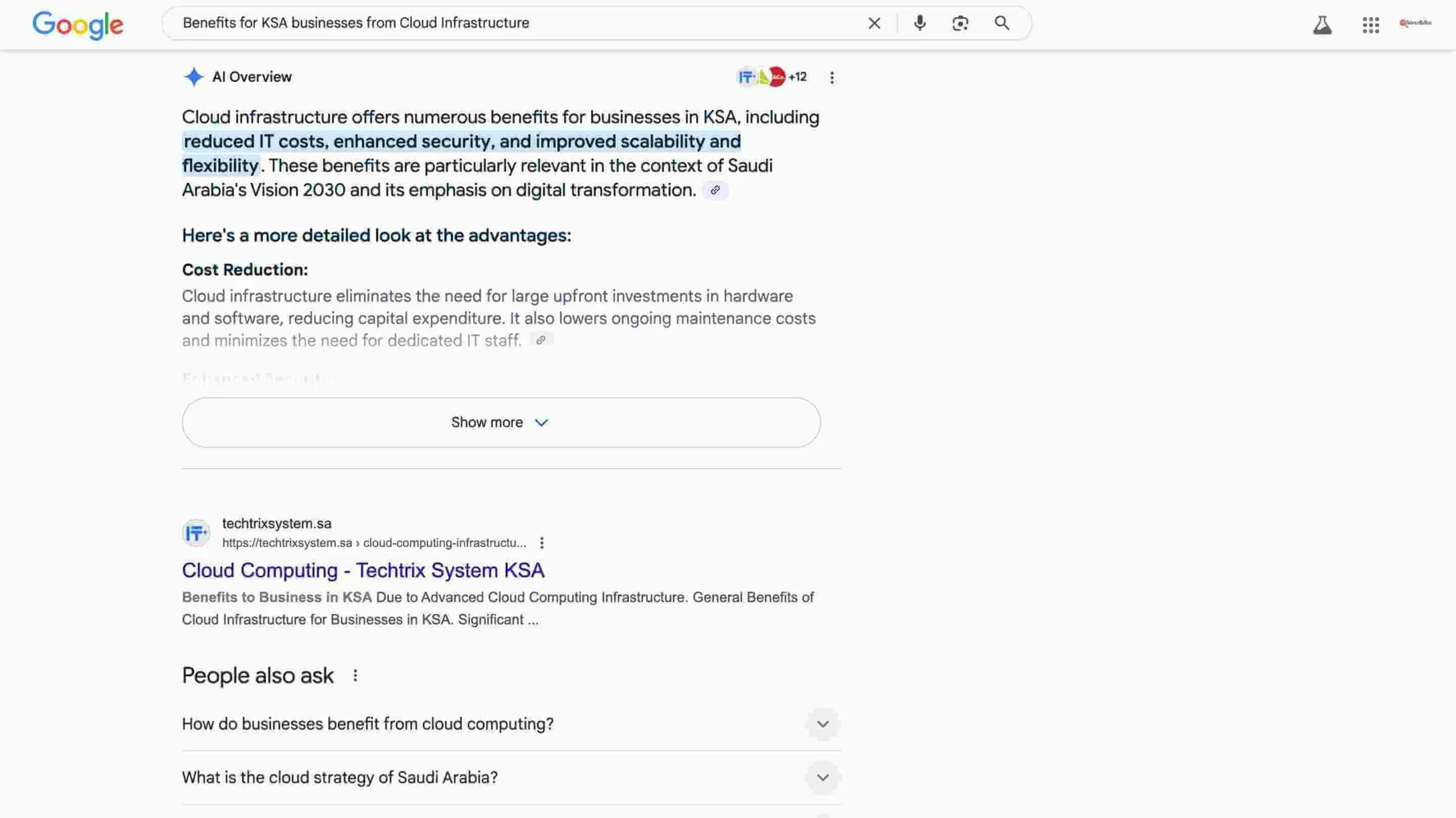
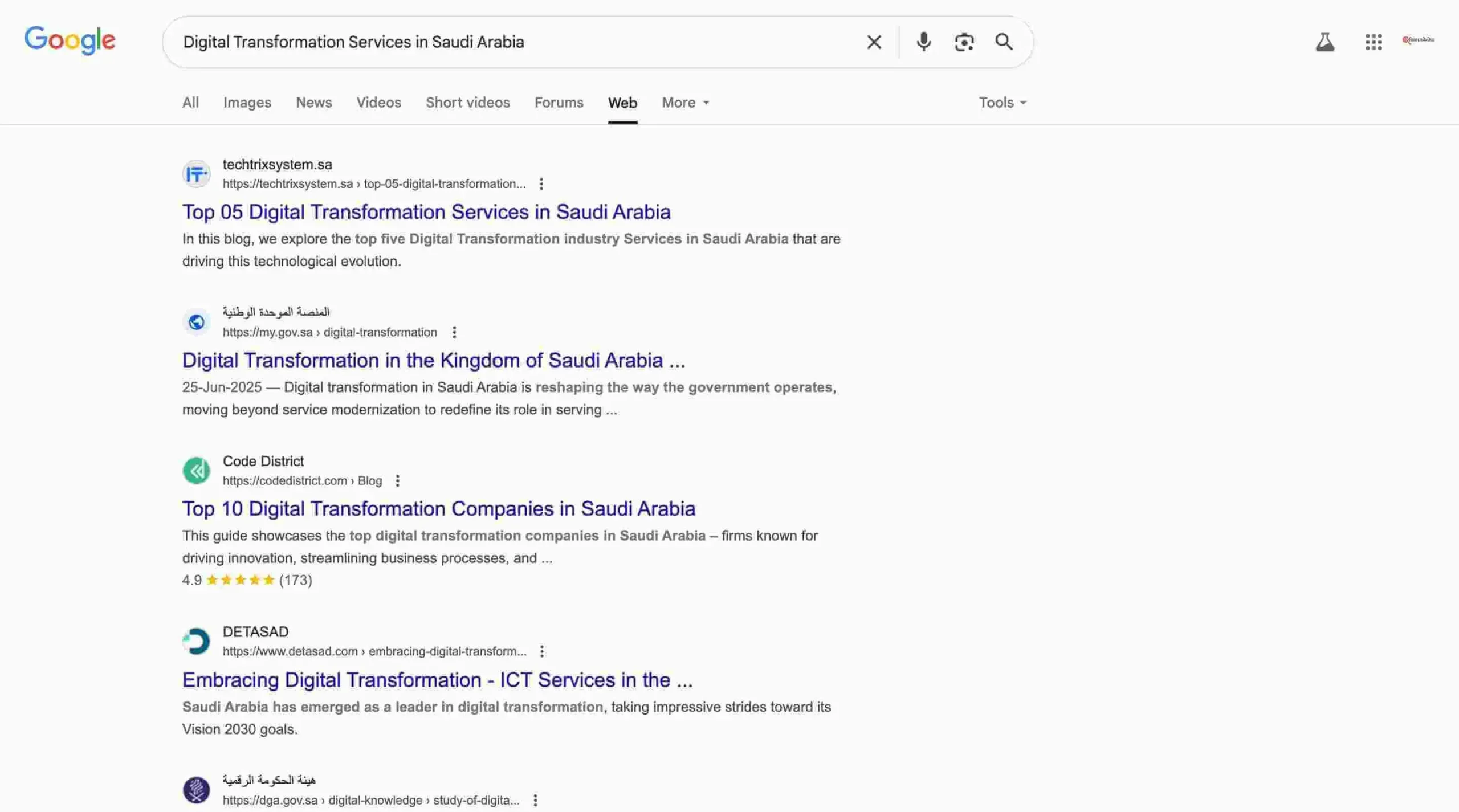
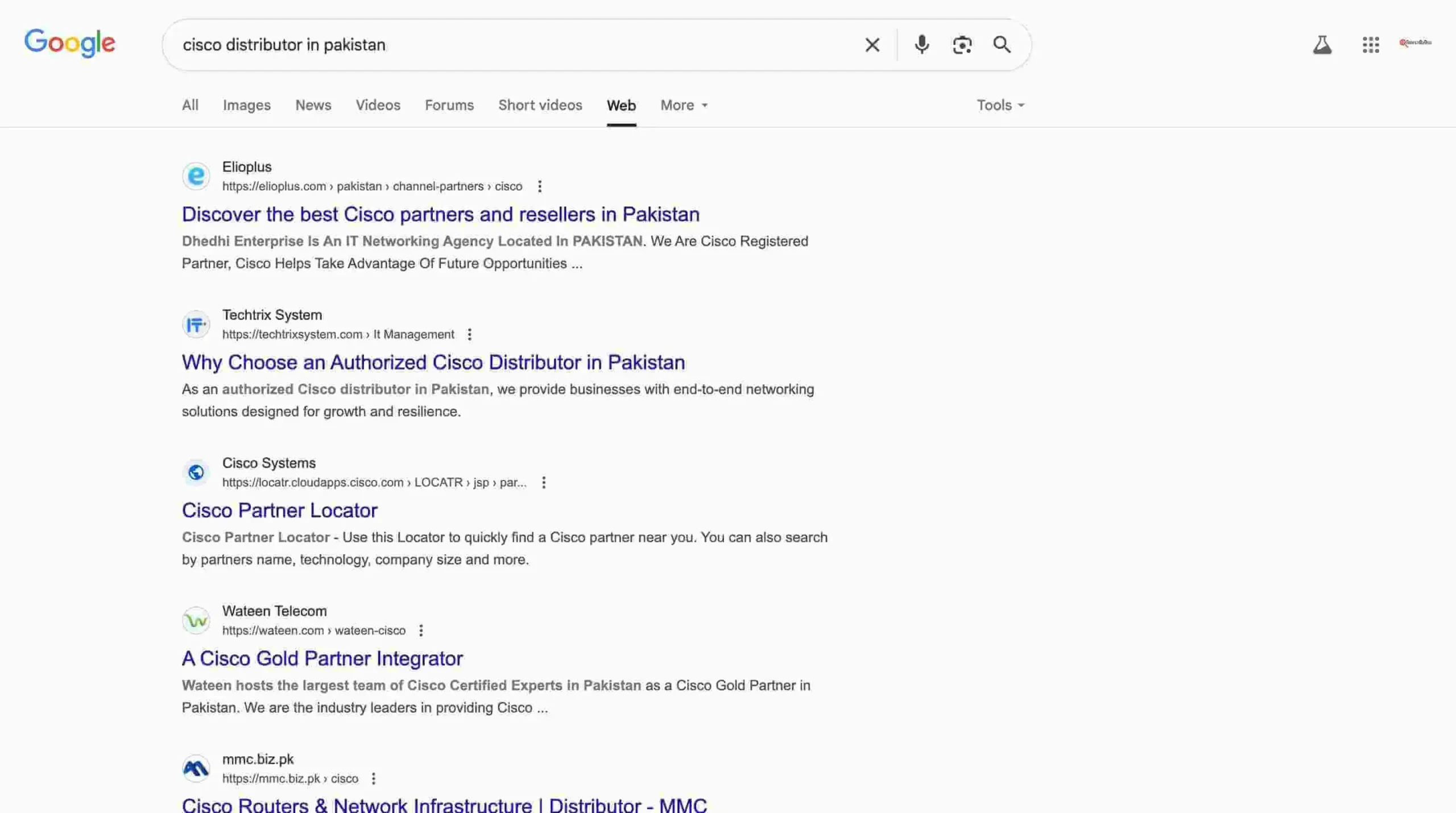
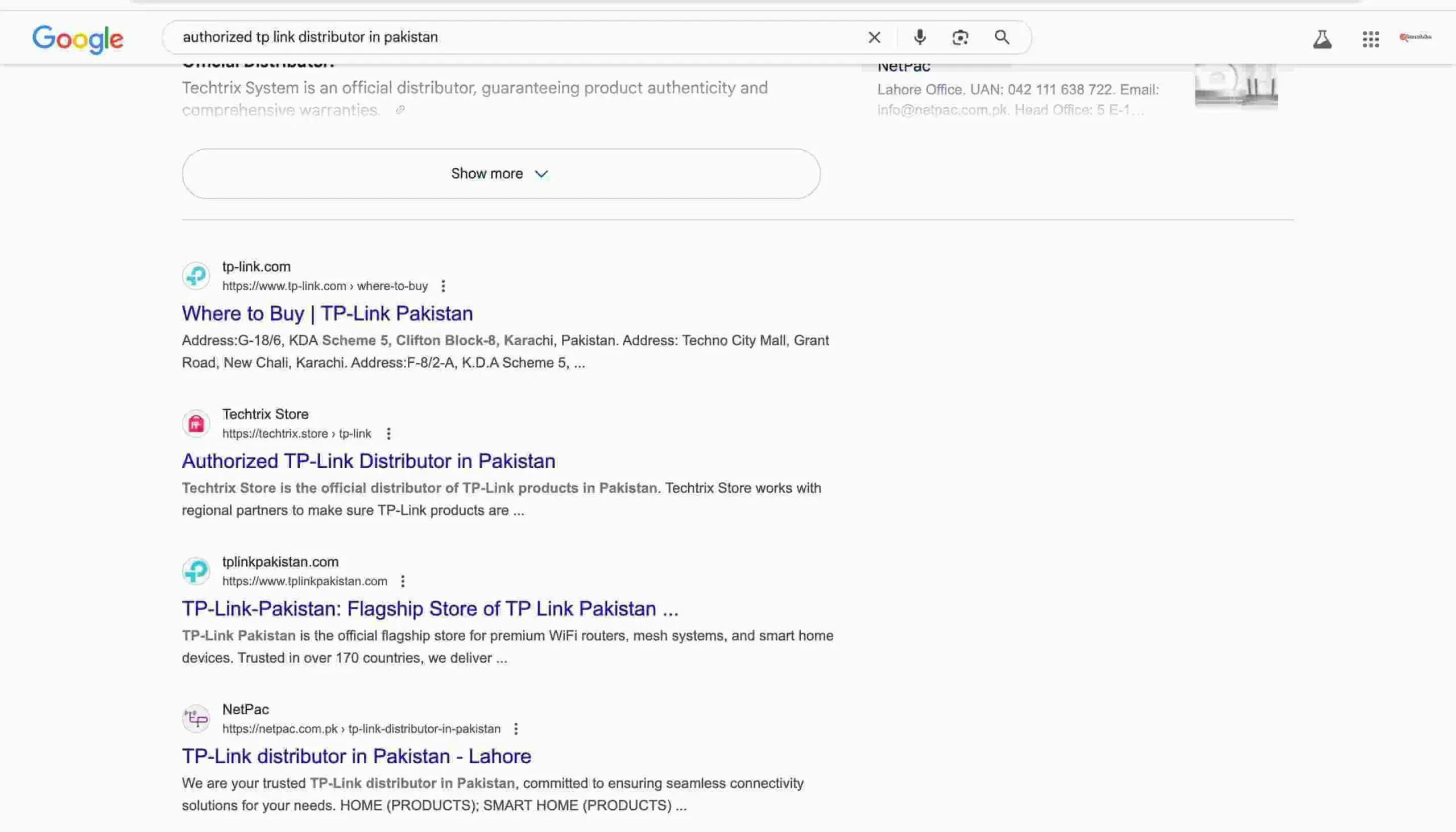
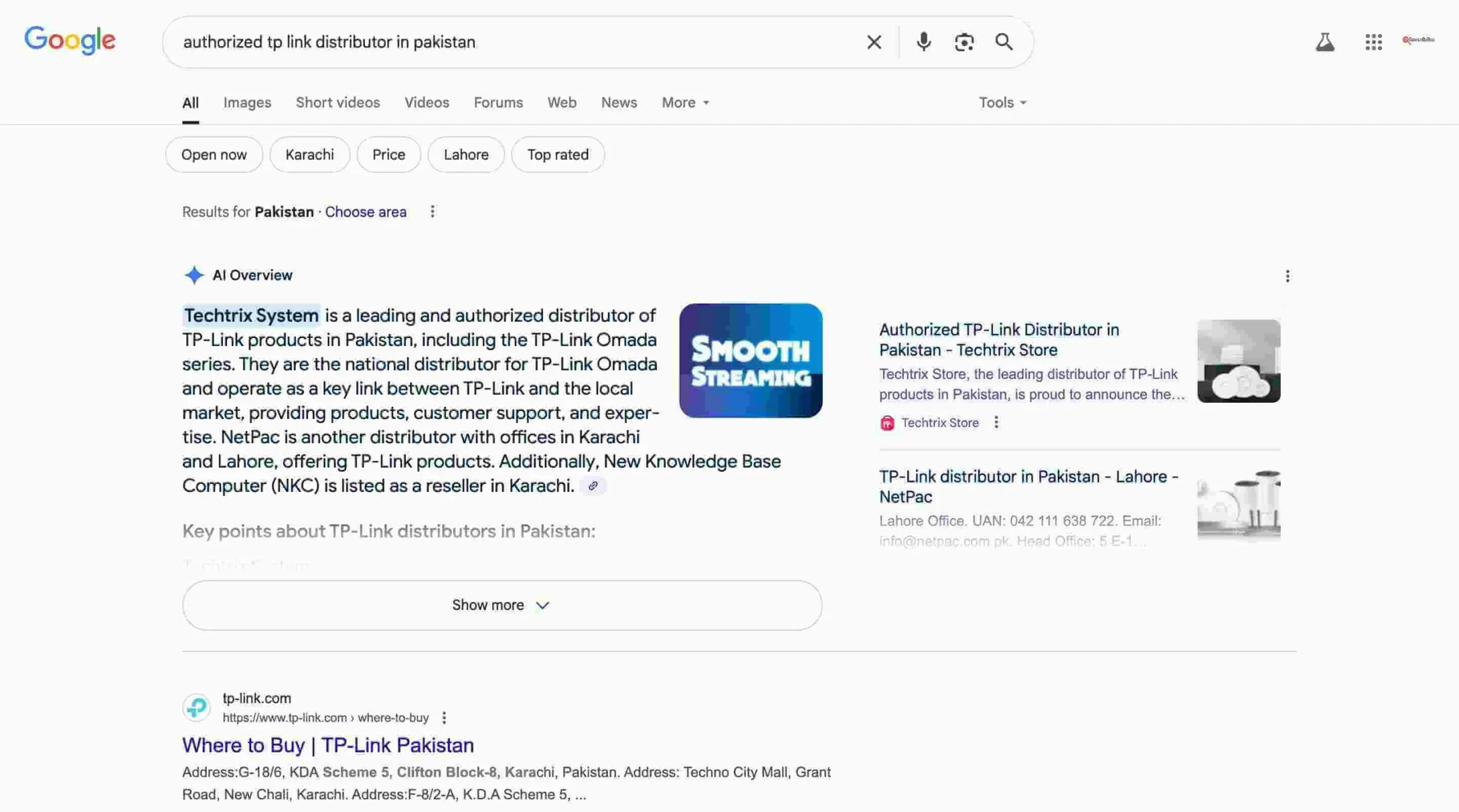
Keyword visibility gained across three domains during the first 90 days of SEO
Why This Worked (And Why Most SEO Fails)
Most SEO fails because it treats websites like pages.
Google treats them like entities.
Once Techtrix’s domains were structured around:
- intent
- relevance
- and trust
Google finally understood:
- What each site represented
- who it was for
- and when to show it
That’s when rankings stop being fragile and start compounding.
My Take as a Founder
SEO isn’t about gaming the algorithm anymore.
It’s about earning clarity.
Techtrix is no longer invisible.
Its products show up.
Its services convert.
Its brand carries weight in two markets.
And that’s exactly how SEO should work.
If This Sounds Familiar…
If your business:
- runs multiple domains
- serves different audiences
- or operates across regions
And still feels invisible in search
That’s not a content issue.
That’s a strategy gap.
And that’s what we fix.
Note:
This project was executed while I was serving as SEO Manager at Techtrix System, leading a cross-functional team of six across content, development, and digital strategy, focused entirely on sustainable organic growth.
If you want SEO that compounds instead of resets every month, let’s talk.